

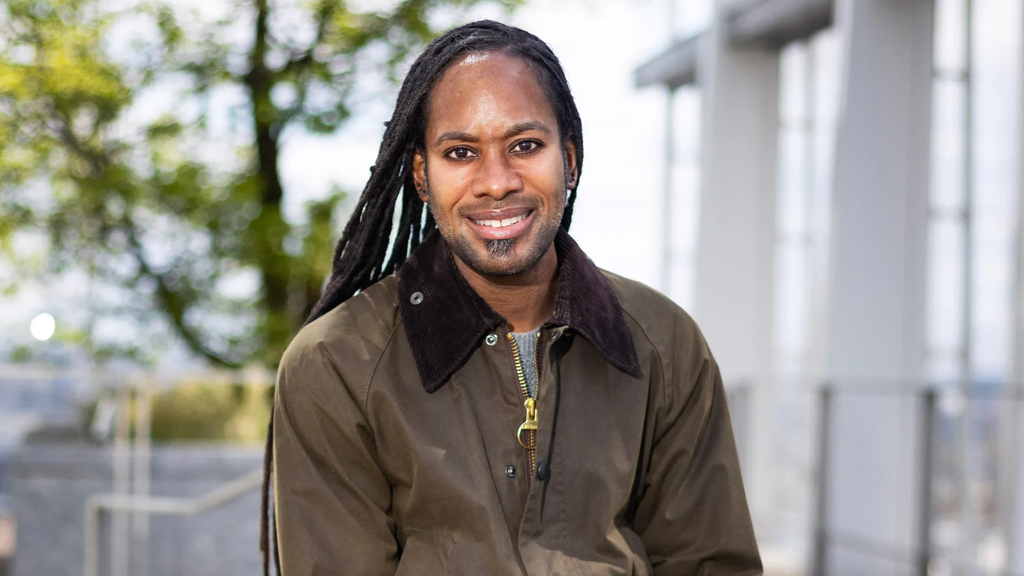
Jason Arday’s resignation isn’t just about Jason Arday. It’s about what happens when Black people in positions of influence become symbols in a much bigger culture war. For years we’ve been told that diversity, equity and inclusion has taken over universities. That Black academics are being handed opportunities at the expense of “merit”. That institutions have bent too far in the name of anti-racism. But where is the evidence?
Research from 2025 suggests that Black professors make up around less than 1% of professors in UK universities. If DEI has really transformed higher education, someone forgot to tell the statistics. What we’re witnessing isn’t the triumph of diversity. Rather, it’s the backlash against even modest progress.
The way Arday’s resignation has been covered is revealing. There has been an unmistakable sense of racist schadenfreude in parts of the reaction. For some commentators, Arday’s resignation has been greeted almost triumphantly, not simply as the fall of one academic, but as “evidence” that anti-racism, DEI and Black scholarship were always built on shaky ground. Headlines have declared that “PR hijacked elite universities,” questioned “the impact of the Jason Arday saga on academia,” claimed “Cambridge hired Arday after listening to Black students,” and described him as “the gift that keeps on giving.” The conversation quickly became a referendum on DEI, anti-racism and the legitimacy of Black scholarship itself.