
How can we build relationships and organisations capable of resisting oppression — without reproducing its patterns?
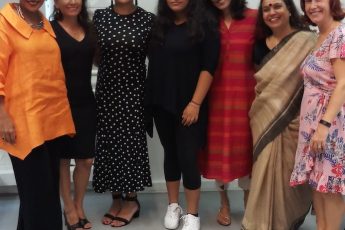
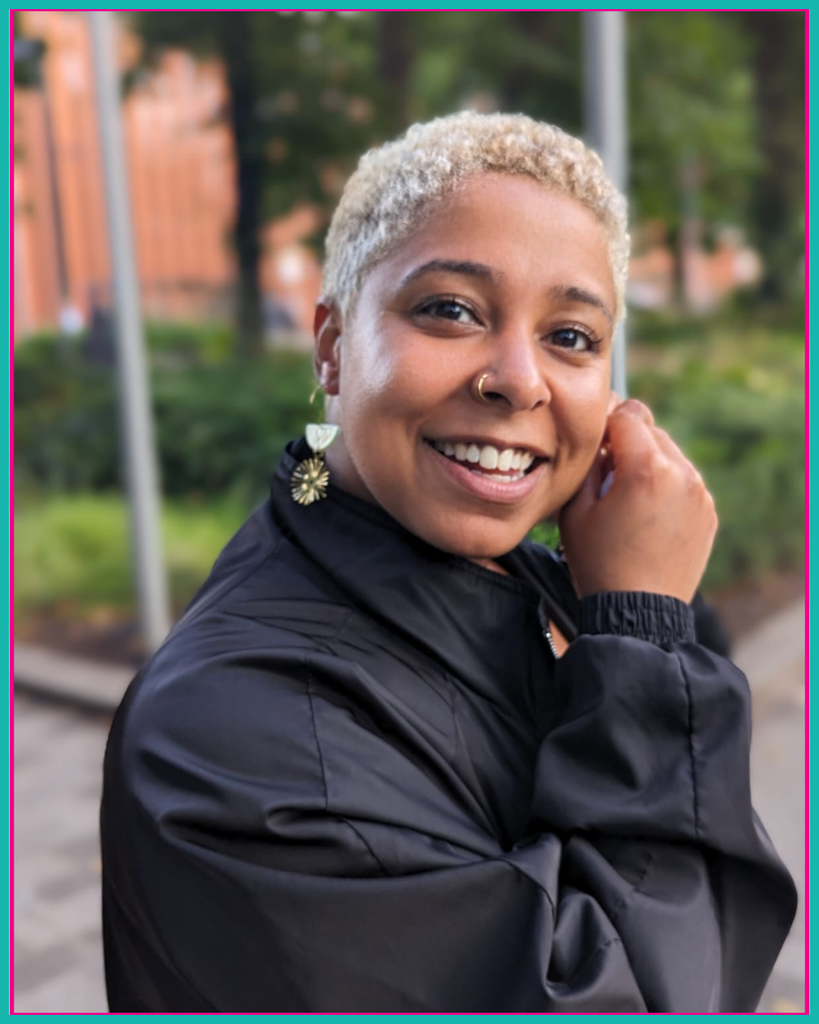
Earlier this month, the CAS team came together for a learning session with Martha Awojobi, founder of JMB Consulting and creator of Uncharitable. Martha’s work focuses on anti-racist practice, political education and helping organisations build the relationships needed for justice and liberation.
At CAS, learning and reflexivity are central to how we work. We invite practitioners who can challenge us, helping us reflect on the sector, our own practice and the values that guide it.
Through a generous and thought-provoking discussion, Martha invited us to complicate how we understand power. Rather than seeing it only as something held by those at the top, we explored the many ways power operates between people, within groups and in the systems that shape our lives.
Martha introduced us to the ideas of power over, power under and power with — concepts that drew on an array of sources she generously shared with us afterwards. In this framework, power over centres domination and control; power under can emerge from internalised powerlessness, when harm and fear, left unnamed or unprocessed, are projected onto others.
Power with, by contrast, points to shared power rooted in collaboration, mutuality and solidarity. It does not mean that everyone has the same power; it asks those with greater power to take greater responsibility and greater risk.
A few reflections that have stayed with us:
“Power with is shared power that grows out of collaboration built on solidarity and mutuality.”
“If I have more power, I take on more responsibility. If I have more power, I take on more risk.”
“We learn the most through making mistakes and repairing the relationship.”
These ideas resonated deeply with our own practice at CAS. They encouraged us to think about how we name power dynamics with care, make space for critique and disagreement, and build cultures where accountability is not understood as punishment but as an ongoing commitment to one another. They also prompted us to ask what sustains us: the people, practices and visions that inspire resilience in challenging times.
The session also reminded us that collective resistance takes many forms. We do not all need to occupy the same role; organisers, artists, researchers, facilitators, fundraisers and “spreadsheet people” each have something vital to offer. The work is in recognising our interdependence and building relationships beyond our usual silos.
Thank you, Martha, for such an honest, challenging and hopeful conversation. We are carrying these reflections forward as we continue to consider what solidarity can look like in practice — within our work, our communities and the wider cultural sector.
#CASLearning #PowerWith #Solidarity #CollectiveResistance #AntiRacism #CulturalLeadership
Sources and further reading
Martha Awojobi — CAS learning session and follow-up reading list
CREA — All About Power: Understanding Social Power and Power Structures