

What does it mean to be acknowledged in a cultural space?
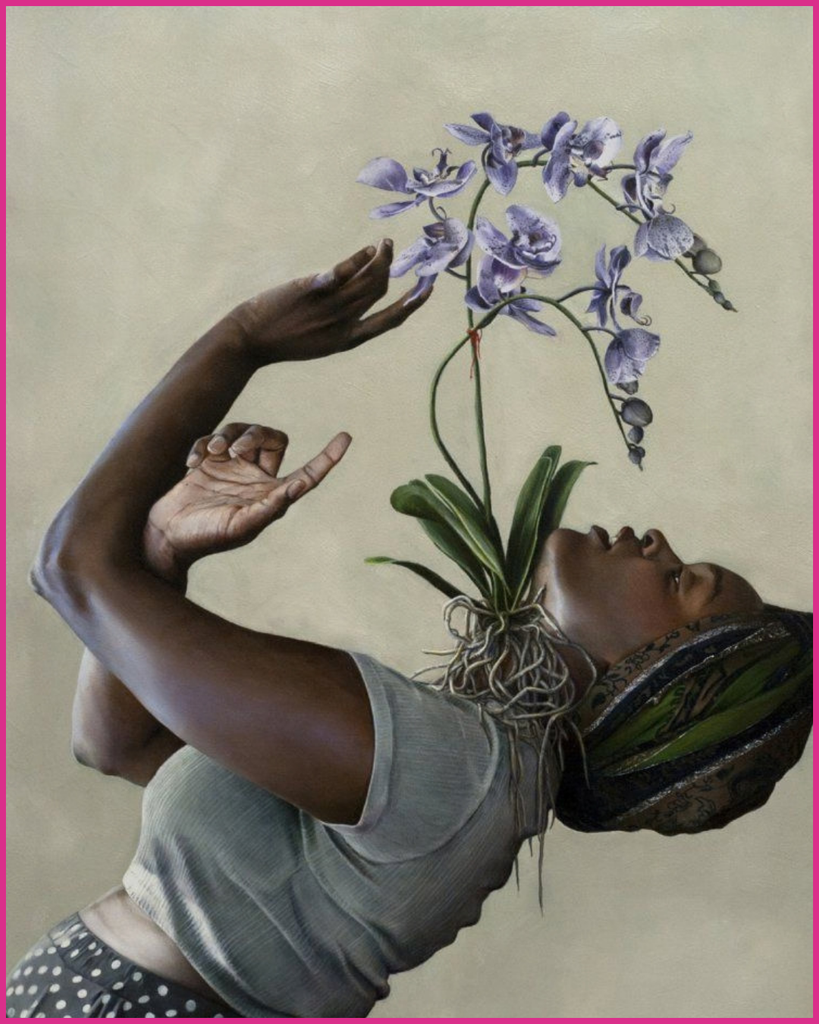
To be acknowledged is to be recognised as someone whose presence, knowledge, lived experience and contribution matter — in the histories we tell, the images we circulate, and the ideas and perspectives that shape a space.
It can show up in everyday details: being credited for your ideas and labour, having your role and authorship understood, and being trusted as the expert in your own experience. It also means recognising that people experience cultural spaces differently, and embedding care for Global Majority artists, colleagues and communities.
Sarah Ahmed calls citation “feminist memory” — a reminder that acknowledgement must make intellectual debts visible. That matters because, as the Fawcett Society and Runnymede Trust’s Broken Ladders report found, 75% of women of colour surveyed had experienced racism at work.
Saidiya Hartman’s Venus in Two Acts (2008) shows what is at stake. Writing about an enslaved girl, Venus, whose life appears only in fragments in the archive, Hartman confronts the violence and silence that shape what is remembered. The limits of the archive show why acknowledgement matters: when people are not named, credited or trusted as holders of knowledge, their presence can be reduced to fragments — or disappear altogether.
Minna Salami’s work on knowledge and perspective similarly invites us to value ways of knowing that have too often been excluded.
In cultural spaces, acknowledgement means being clear about who shaped an idea, project or programme — and recognising authorship, not only participation. It means recognising Global Majority artists, colleagues and communities for the knowledge, time and work they bring, and reflecting that recognition in how people are treated, paid, credited and trusted.
What does acknowledgement mean to you? When has your contribution been recognised — and when has it not? Whose histories, images, ideas and labour shape the spaces you move through?
References
Hartman, Saidiya. “Venus in Two Acts.” Small Axe.
Ahmed, Sara. Living a Feminist Life. Duke University Press.
Salami, Minna. Sensuous Knowledge: A Black Feminist Approach for Everyone. Bloomsbury Academic.