
Conversations about belonging have been gathering momentum across the creative industries for many years, in response to the limits of approaches that open the door without changing the conditions inside. These conversations have opened up more inclusive ways of thinking and helped us move beyond representation alone as the benchmark for inclusion. They have also pushed us to ask how we create cultural spaces that last: spaces where people feel they have a place, can contribute and are supported to remain.
A clear theme has emerged: belonging requires us to redress imbalances of power by questioning entrenched hierarchies and unequal relationships between institutions and communities, commissioners and contributors, and those who hold resources and those expected to deliver.shared point of reference
For CAS, belonging is too important to sit in the background as a supporting idea. It shapes how we work, who we work with, the relationships we build and the cultural spaces we want to help create. That is why we felt it needed its own definition: one that reflects the values, questions and practices at the heart of our work.
This work sits within a wider and growing conversation across culture. We are inspired by Daniel Regan’s (be)longing, developed with Bethlem Gallery through creative research, public conversations and an exhibition exploring the complexities of belonging, Unbelonging and longing. We also recognise the Museums Association’s 2025 conference, Perthyn – Belonging, which placed belonging at the centre of discussions about museums, civic life and shared power.
Our definition gives us a shared point of reference. It helps us name what we are working towards, challenge ourselves when our actions fall short and make belonging visible in the everyday choices we make. It is not intended to close the conversation, but to hold us accountable to it. Read it below.
For Creative Arts Social, Belonging is about more than being included, welcomed or given access to a space. It is the experience of being seen, heard, acknowledged and understood; of feeling valued and safe enough to participate fully, express who you are and flourish without having to minimise, or continually explain or change yourself. It includes belonging within a group or environment, but also belonging to self: being able to recognise and inhabit who you are without your sense of worth being made conditional on conformity.
Belonging means being able to turn up as you are. It is being able to relax rather than remain vigilant, to feel validated rather than continually questioned, and to experience and help create the conditions needed to thrive. It can come through recognising yourself in others, sharing values, being inspired by the people around you and knowing that your experiences and perspectives have meaning within the wider culture of a space. Crucially, belonging should not depend on assimilation: it is not an invitation to fit existing and societal norms at the expense of parts of yourself.
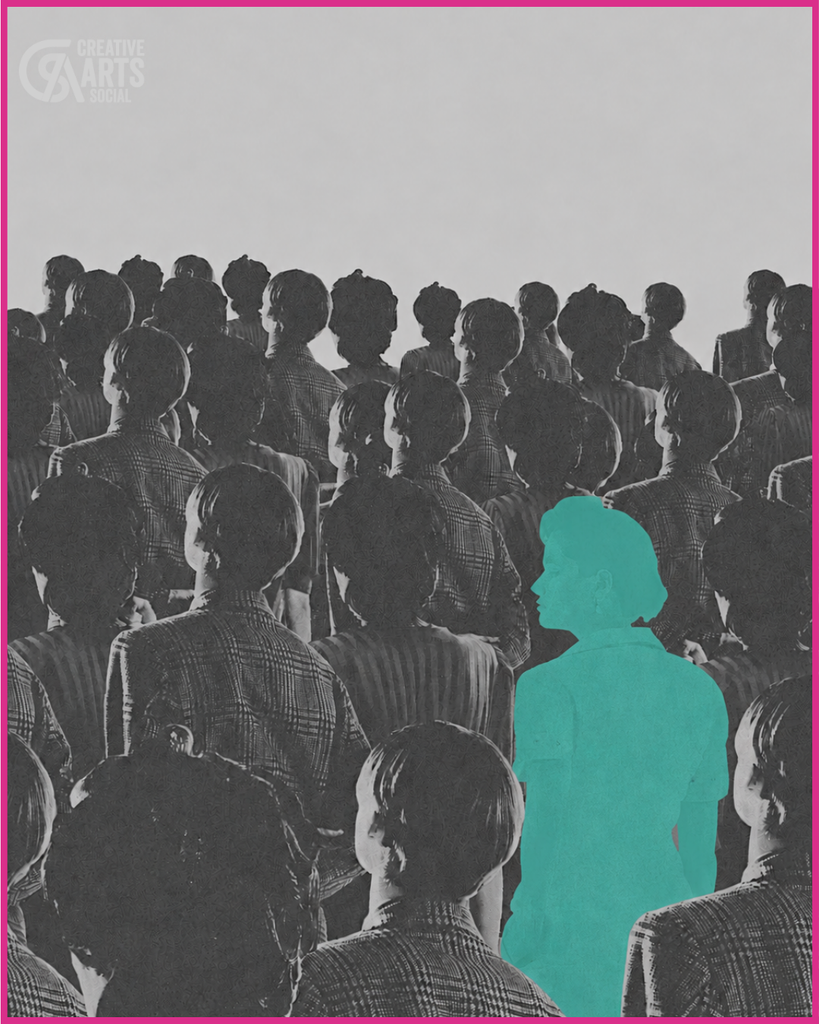
We understand belonging as something that is actively created rather than something an individual should have to earn. It is shaped by relationships, behaviours, systems, institutional and societal cultures, environments and distributions of power. A person can be invited into a room and still experience unbelonging if they are not listened to, respected, protected or able to influence what happens there. Belonging asks us to consider not only who is present, but whose ways of being are recognised as legitimate; who feels safe enough to speak and has the agency to make decisions; and who holds meaningful power to shape the space.
Our approach to belonging therefore asks organisations to look beyond statements about representation, diversity and inclusion and consider the nuanced, intersectional lived experiences of the communities they serve, including those they currently underserve. We recognise that a lack of belonging is not only an individual feeling: it can be constructed through practices and distributions of power. Through CAS’ core values of integrity, equitable practice, authenticity in action, critical questioning, empowerment and care, we explore what enables people to feel that they genuinely belong, what helps them flourish, and what practices, assumptions and structures continue to produce exclusion or unbelonging.
Creating cultures, spaces and environments of belonging means taking responsibility for the conditions that enable people to feel valued and included. This is part of what we mean by liberatory belonging: not simply opening a door, but changing the conditions inside it. This is especially important for those whose identities and experiences have historically been marginalised, which is why spaces should be co-created and co-designed with people rather than simply designed for them. This enables communities to shape what a space becomes, feel a sense of ownership, and want to return to and participate in its ongoing life.
Belonging is therefore both a feeling and a practice: something that can be experienced by individuals, but is created, nurtured and sustained collectively. It can also be denied, withdrawn or dismantled through collective choices, institutional practices and unequal power. Recognising what unbelonging feels like and how it is constructed is part of creating belonging. CAS’s work is concerned with helping organisations move from sentiments and intentions about belonging into action — co-creating strategies, processes, behaviours and everyday practices with the people they work with, and implementing them in ways that begin to create the sustainable conditions in which belonging can genuinely grow.
- Daniel Regan, (be)longing — an ongoing project, exhibition and public programme created with Bethlem Gallery.
- Museums Association Conference 2025: Perthyn – Belonging — conversations on belonging, civic repair and the public role of museums.
- Centre for Cultural Value: Understanding Cultural Vitality — research on culture, shared spaces and the conditions that strengthen belonging.
- Building meaningful participation — a useful prompt on participation, co-creation and power in cultural work.