
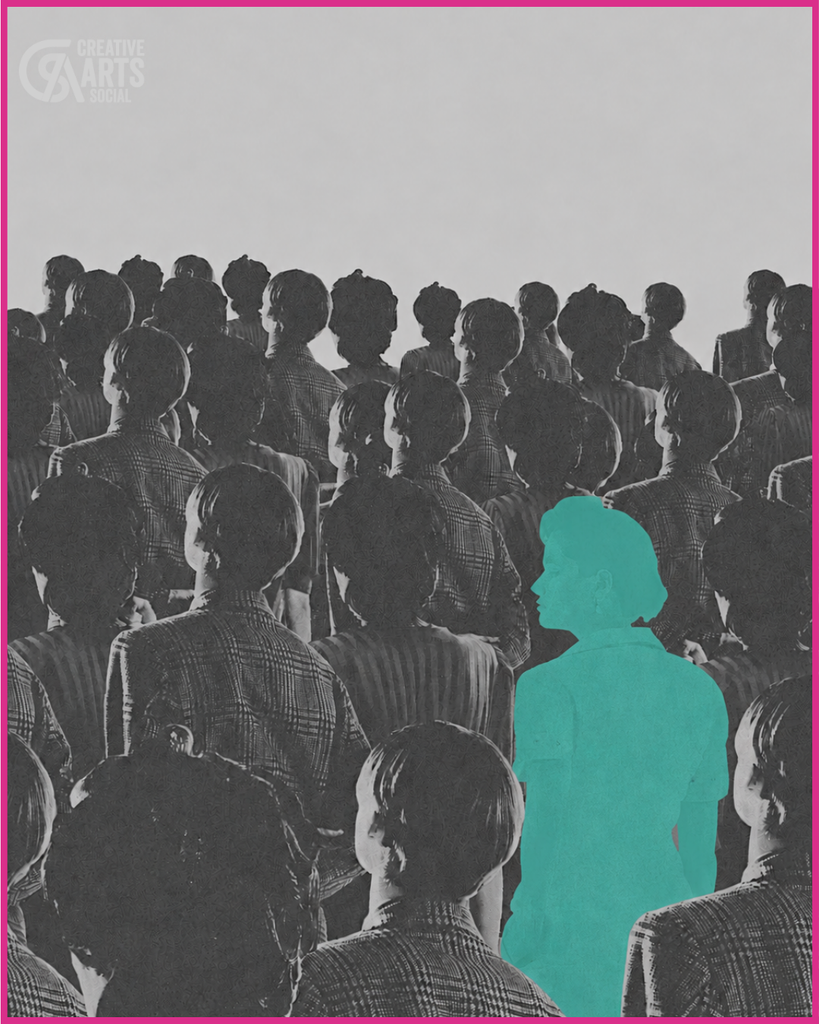
Conversations about belonging have been gathering momentum across the creative industries for many years, in response to the limits of approaches that open the door without changing the conditions inside. These conversations have opened up more inclusive ways of thinking and helped us move beyond representation alone as the benchmark for inclusion. They have also pushed us to ask how we create cultural spaces that last: spaces where people feel they have a place, can contribute and are supported to remain.
A clear theme has emerged: belonging requires us to redress imbalances of power by questioning entrenched hierarchies and unequal relationships between institutions and communities, commissioners and contributors, and those who hold resources and those expected to deliver.shared point of reference
For CAS, belonging is too important to sit in the background as a supporting idea. It shapes how we work, who we work with, the relationships we build and the cultural spaces we want to help create. That is why we felt it needed its own definition: one that reflects the values, questions and practices at the heart of our work.
This work sits within a wider and growing conversation across culture. We are inspired by Daniel Regan’s (be)longing, developed with Bethlem Gallery through creative research, public conversations and an exhibition exploring the complexities of belonging, Unbelonging and longing. We also recognise the Museums Association’s 2025 conference, Perthyn – Belonging, which placed belonging at the centre of discussions about museums, civic life and shared power.
Our definition gives us a shared point of reference. It helps us name what we are working towards, challenge ourselves when our actions fall short and make belonging visible in the everyday choices we make. It is not intended to close the conversation, but to hold us accountable to it. Read it below.