

Belonging: Our Definition
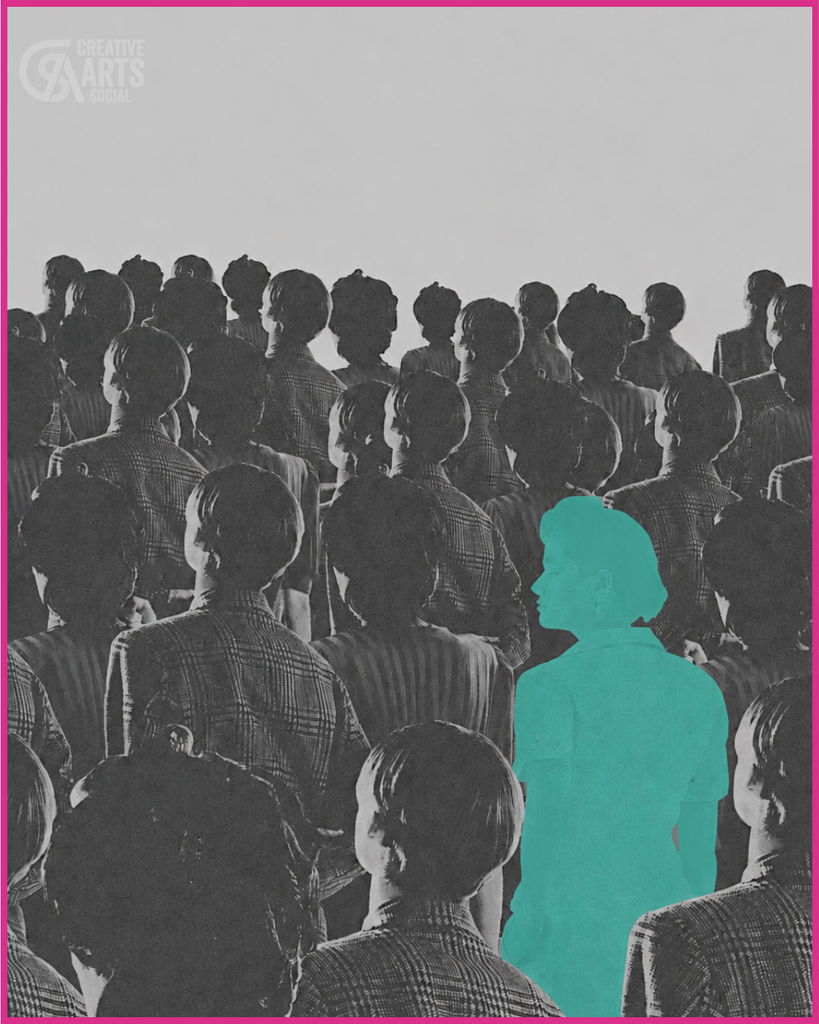
For Creative Arts Social, Belonging is about more than being included, welcomed or given access to a space. It is the experience of being seen, heard, acknowledged and understood; of feeling valued and safe enough to participate fully, express who you are and flourish without having to minimise, or continually explain or change yourself. It includes belonging within a group or environment, but also belonging to self: being able to recognise and inhabit who you are without your sense of worth being made conditional on conformity.
Belonging means being able to turn up as you are. It is being able to relax rather than remain vigilant, to feel validated rather than continually questioned, and to experience and help create the conditions needed to thrive. It can come through recognising yourself in others, sharing values, being inspired by the people around you and knowing that your experiences and perspectives have meaning within the wider culture of a space. Crucially, belonging should not depend on assimilation: it is not an invitation to fit existing and societal norms at the expense of parts of yourself.
We understand belonging as something that is actively created rather than something an individual should have to earn. It is shaped by relationships, behaviours, systems, institutional and societal cultures, environments and distributions of power. A person can be invited into a room and still experience unbelonging if they are not listened to, respected, protected or able to influence what happens there. Belonging asks us to consider not only who is present, but whose ways of being are recognised as legitimate; who feels safe enough to speak and has the agency to make decisions; and who holds meaningful power to shape the space.
Our approach to belonging therefore asks organisations to look beyond statements about representation, diversity and inclusion and consider the nuanced, intersectional lived experiences of the communities they serve, including those they currently underserve. We recognise that a lack of belonging is not only an individual feeling: it can be constructed through practices and distributions of power. Through CAS’ core values of integrity, equitable practice, authenticity in action, critical questioning, empowerment and care, we explore what enables people to feel that they genuinely belong, what helps them flourish, and what practices, assumptions and structures continue to produce exclusion or unbelonging.
Creating cultures, spaces and environments of belonging means taking responsibility for the conditions that enable people to feel valued and included. This is part of what we mean by liberatory belonging: not simply opening a door, but changing the conditions inside it. This is especially important for those whose identities and experiences have historically been marginalised, which is why spaces should be co-created and co-designed with people rather than simply designed for them. This enables communities to shape what a space becomes, feel a sense of ownership, and want to return to and participate in its ongoing life.
Belonging is therefore both a feeling and a practice: something that can be experienced by individuals, but is created, nurtured and sustained collectively. It can also be denied, withdrawn or dismantled through collective choices, institutional practices and unequal power. Recognising what unbelonging feels like and how it is constructed is part of creating belonging. CAS’s work is concerned with helping organisations move from sentiments and intentions about belonging into action — co-creating strategies, processes, behaviours and everyday practices with the people they work with, and implementing them in ways that begin to create the sustainable conditions in which belonging can genuinely grow.
Short
One of CAS’s core commitments, underpinning all our work, is helping organisations co-create and nurture spaces and environments of belonging. We understand belonging as both a personal experience and a collective practice, shaped by relationships, cultures, systems and the distribution of power.
Belonging is not achieved simply by inviting people into existing structures or asking them to adapt to dominant norms. It can become conditional or “toxic” when acceptance depends on conformity, assimilation or the exclusion of others. Liberatory belonging means being able to belong to ourselves while helping create the conditions for others to do the same. It requires us to question the systems and assumptions that determine who is seen as worthy of belonging, and to build cultures rooted in safety, courage, accountability, mutual support and care.
We define belonging as the experience of being seen, heard, valued and understood, without having to minimise, explain or change who you are. It includes belonging to self as well as belonging within groups, cultures and environments where people have the conditions to participate fully, thrive and flourish. Belonging is not simply being included; it means having the power, agency and support to help shape the spaces we inhabit, without having to assimilate.
For CAS, creating belonging means working with organisations and the people connected to them to turn values and intentions into co-created strategies, processes and practices rooted in our core values of integrity, equitable practice, authenticity in action, critical questioning, empowerment and care. It is about nurturing spaces where people can belong as themselves, contribute, thrive and help shape a wider community. It also means recognising what a lack of belonging feels like and how it is constructed through structures, relationships and practices that withhold voice, safety, recognition or agency.
Please cite this definition as: Creative Arts Social, What Belonging Means to Us (2026), https://creativeartsocial.org/what-belonging-means-to-us/
We welcome people to reference and build on this work. If you use the definition, please credit Creative Arts Social and link back to this page.